Fix Your Home Woes with the Ultimate DIY Fix-It Kit
February 19, 2026
Fix Your Home Woes with the Ultimate DIY Fix-It Kit
Are you tired of calling a handyman at the drop of a hat every time something breaks in your home? Do you wish you had the skills and confidence to tackle those pesky DIY projects on your own? Well, wish no more! With the right tools and a little practice, you can become a DIY master and save yourself time, money, and frustration.
Gather the Basics
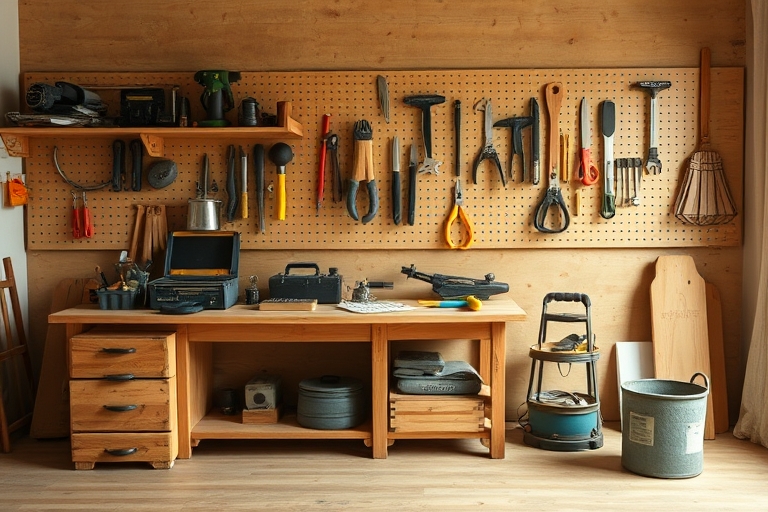
Before you start tackling those DIY projects, you'll need to stock your toolbox with the essentials. Don't worry, you don't need to break the bank to get started. Here are the must-haves to get you up and running:
- A trusty hammer for pounding nails and fitting parts together
- A tape measure for measuring up and getting the job done accurately
- A level to ensure your walls are straight and your shelves are level
- Pliers for gripping and twisting those hard-to-reach areas
- A screwdriver set for all your screw-turning needs
- A utility knife for cutting through various materials
- Wire cutters for snipping through wires and cables
These basics will get you started, but don't forget to add a few more tools to your collection as you progress. A cordless drill is a game-changer for increased mobility and efficiency, and a multi-tool can come in handy for various tasks, from tightening loose screws to scraping old caulk.
Tackle Common Tasks
Now that you've got your tools, it's time to learn how to tackle some common DIY tasks. Here are a few to get you started:
- Replace light fixtures: This is a great way to update the look and feel of a room without breaking the bank. Just remember to turn off the power to the fixture before you start, and be careful not to touch any wires.
- Replace faucets and toilet handles: This is a relatively simple task that can make a big impact. Just be sure to turn off the water supply before you start, and use a wrench to loosen any corroded parts.
- Fix leaky faucets: A leaky faucet can waste hundreds of gallons of water per year, so it's worth fixing ASAP. Check the faucet's O-ring or gasket for any signs of wear or damage, and replace them if necessary.
- Unclog drains: A clogged drain can be a real pain, but it's usually an easy fix. Use a plunger or a drain snake to clear out any blockages, and be sure to use a drain screen to catch hair and other debris before it goes down the drain.
DIY Hacks for Home Maintenance
Now that you've got the basics down, it's time to learn some advanced DIY hacks for home maintenance. Here are a few of our favorites:
- Use a multi-tool: A multi-tool can come in handy for a variety of tasks, from tightening loose screws to scraping old caulk. It's a great investment for any DIY enthusiast.
- Invest in a cordless drill: A cordless drill is a game-changer for increased mobility and efficiency. It's perfect for tasks that require a lot of movement, like drilling into walls or driving screws.
- Use a level: A level is essential for ensuring your walls are straight and your shelves are level. It's a small tool that can make a big difference in the overall look and feel of your home.
- Practice makes perfect: The more you practice, the more confident you'll become. Start with small projects and work your way up to bigger tasks.
DIY Hacks for Specific Tasks
Here are a few more DIY hacks for specific tasks:
- Tightening loose screws: Use a screwdriver with a magnetic tip to pick up screws and avoid losing them in the couch cushions.
- Scraping old caulk: Use a utility knife or a multi-tool to scrape away old caulk and clean up the area before applying new caulk.
- Drilling into walls: Use a cordless drill with a level attachment to ensure you're drilling straight.
- Unclogging drains: Use a plunger or a drain snake to clear out any blockages, and be sure to use a drain screen to catch hair and other debris before it goes down the drain.
Safety First
Before you start any DIY project, make sure you're taking the necessary safety precautions. Here are a few tips to keep in mind:
- Turn off the power: Always turn off the power to any electrical project before you start.
- Use protective gear: Wear gloves and safety glasses to protect yourself from injury.
- Read the instructions: Read the instructions carefully before starting any project, and don't be afraid to ask for help if you need it.
Conclusion
Fixing your home woes doesn't have to be a daunting task. With the right tools and a little practice, you can become a DIY master and save yourself time, money, and frustration. Remember to start with the basics, tackle common tasks, and practice your DIY skills. Happy fixing!