Ditch Distractions, Boost Productivity: The Power of the 'Stop Doing' List
March 17, 2026
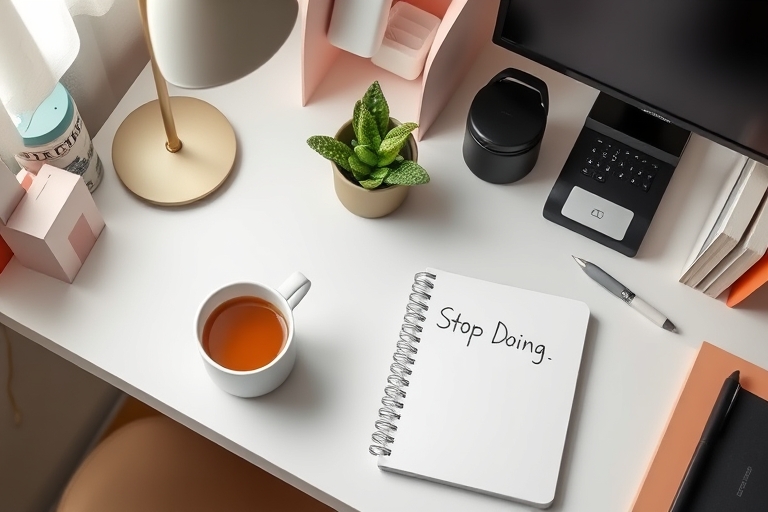
Why You Need a 'Stop Doing' List
Having a to-do list can be a useful tool for staying organized and focused, but it's not enough to just add tasks to a list – you also need to know what to stop doing. A 'Stop Doing' list is a powerful tool that helps you identify and eliminate tasks and habits that drain your energy, distract you from priorities, and hinder your productivity and well-being.
Identify Tasks that Drain Your Energy and Distract You from Priorities
Take a closer look at your daily routine and habits. Are there certain tasks or activities that leave you feeling drained, stressed, or overwhelmed? Are there habits that distract you from your priorities and goals? Be honest with yourself – it's time to acknowledge the things that are holding you back.
Recognize Habits that Hinder Your Productivity and Well-being
Think about the things you do on a daily basis that might be holding you back. Do you:
- Check your phone first thing in the morning?
- Scroll through social media during work hours?
- Procrastinate on tasks that feel overwhelming?
- Spend too much time watching TV or browsing the internet?
- Engage in gossip or negative conversations with friends or colleagues?
These habits might seem harmless, but they can have a significant impact on your productivity and well-being.
How to Create Your 'Stop Doing' List
Creating a 'Stop Doing' list is a simple yet effective way to take control of your time and habits. Here's a step-by-step guide to help you get started:
Take a Week to Track Your Activities and Habits
For one week, track every activity and habit you engage in. Write down everything – from waking up to bedtime. This will help you identify patterns and areas for improvement.
Identify Tasks and Habits that Waste Time or Cause Stress
Review your tracking sheet and identify tasks and habits that:
- Waste time (e.g., scrolling through social media, watching excessive TV)
- Cause stress (e.g., checking work emails outside of work hours)
- Distract you from priorities (e.g., procrastination, multitasking)
Prioritize and Categorize Items for Elimination
Categorize the tasks and habits you've identified into three groups:
- Urgent but Not Important: tasks that need to be done but can be delegated or automated
- Important but Not Urgent: tasks that are essential to your goals but can be done at a later time
- Stop Doing: tasks and habits that waste time, cause stress, or distract you from priorities
Practical Strategies for Sticking to Your 'Stop Doing' List
Now that you have your list, it's time to implement it. Here are some practical strategies to help you stick to your 'Stop Doing' list:
Replace Bad Habits with Healthier Alternatives
Identify healthier alternatives to replace bad habits. For example:
- Instead of scrolling through social media, read a book or take a short walk
- Instead of checking work emails outside of work hours, set a specific time to check emails and stick to it
- Instead of procrastinating, break down large tasks into smaller, manageable chunks
Schedule Time for Self-Care and Relaxation
Make time for activities that nourish your mind, body, and soul. This could be:
- Exercise or meditation
- Reading or listening to music
- Spending time with loved ones or engaging in hobbies
Review and Adjust Your List Regularly
Your 'Stop Doing' list is not a one-time task – it's an ongoing process. Review your list regularly and adjust it as needed. Life is constantly changing, and your priorities may shift over time.
Real-Life Examples of the 'Stop Doing' List in Action
Here are some real-life examples of people who've implemented the 'Stop Doing' list and seen significant improvements in their productivity and well-being:
- Samantha, a marketing manager, stopped checking her work emails outside of work hours and instead dedicated time to exercise and meditation. She noticed a significant reduction in stress and an increase in focus.
- John, a software developer, stopped procrastinating by breaking down large tasks into smaller, manageable chunks. He was able to complete projects more efficiently and effectively.
- Emily, a freelance writer, stopped social media scrolling during work hours and instead focused on writing. She increased her productivity and earned more clients.
In conclusion, a 'Stop Doing' list is a powerful tool for eliminating distractions, boosting productivity, and improving well-being. By identifying tasks and habits that drain your energy and distracting you from priorities, you can create a more focused and intentional life. Remember to review and adjust your list regularly, and don't be too hard on yourself when you slip up – it's all part of the process.