The High Price of Clutter: Tackling Disorganization for Savings
March 30, 2026
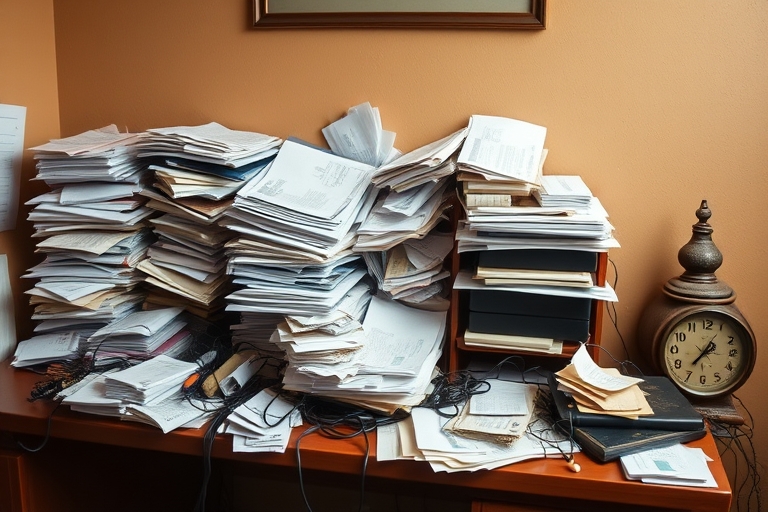
The High Price of Clutter: Tackling Disorganization for Savings
Clutter is not just a nuisance; it's a drain on our time, energy, and finances. From lost productivity to increased stress, the effects of clutter can be overwhelming. In this article, we'll explore the hidden costs of clutter and how tackling disorganization can lead to significant savings.
The Hidden Costs of Clutter
Clutter can have a profound impact on our daily lives, affecting not just our physical space but also our mental well-being. Here are just a few of the ways clutter can drain your finances:
- Lost time searching for misplaced items: How many hours have you spent searching for your keys, wallet, or phone? The average person spends around 2 hours and 25 minutes a day searching for misplaced items, which translates to over 10 days of lost productivity per year.
- Reduced productivity and focus: Clutter can be a significant distraction, making it difficult to focus on important tasks. A cluttered workspace or living area can lead to decreased productivity, which can cost you time and money in the long run.
- Increased stress and anxiety: Clutter can be overwhelming, leading to feelings of anxiety and stress. This can have a negative impact on your mental health, which can, in turn, affect your physical health and overall well-being.
How Clutter Affects Your Finances
Clutter can also have a significant impact on your finances. Here are a few ways clutter can affect your wallet:
- Expensive impulse purchases: When you're surrounded by clutter, it's easy to get caught up in the excitement of buying something new. This can lead to impulse purchases, which can quickly add up and drain your finances.
- Higher utility bills from energy-wasting appliances: Cluttered spaces can make it difficult to keep track of energy-wasting appliances, leading to higher utility bills and a bigger carbon footprint.
- Missed savings opportunities from forgotten accounts: Clutter can make it easy to forget about savings accounts, investments, or other financial opportunities. This can lead to missed savings opportunities and a lack of financial security.
Decluttering for Savings
Tackling clutter is a process, but it's a crucial step in saving time, money, and energy. Here are a few tips to get you started:
Start Small
Don't try to tackle your entire home or office at once. Start with small areas, such as your desk or a single shelf. This will help you build momentum and make the task less overwhelming.
Use the 1-Touch Rule
When handling paperwork or clutter, try to deal with it immediately. Either file it away, toss it, or take action on it. This will save you time and energy in the long run.
Implement a Maintenance Routine
Clutter doesn't have to be a constant problem. Set aside time each week to maintain your space and keep clutter at bay. This can be as simple as tidying up for 10 minutes each day or setting aside an hour on the weekend to organize.
By implementing these simple habits, you can save time, reduce stress, and increase productivity. Remember, decluttering is a process, and it's okay to take it one step at a time.
Create a Maintenance Schedule
- Set aside 10-15 minutes each day to tidy up and maintain your space
- Schedule a weekly or bi-weekly deep clean to tackle more significant tasks
- Review and adjust your maintenance schedule as needed
By taking control of your clutter, you can save time, money, and energy. Remember, it's not just about getting rid of stuff – it's about creating a space that works for you and your financial goals.